
Pet insurance with wellness visits
You may already pay for routine visits through a clinic plan. Before adding wellness to insurance, identify which additional visits, services and locations the new benefit would actually help with.
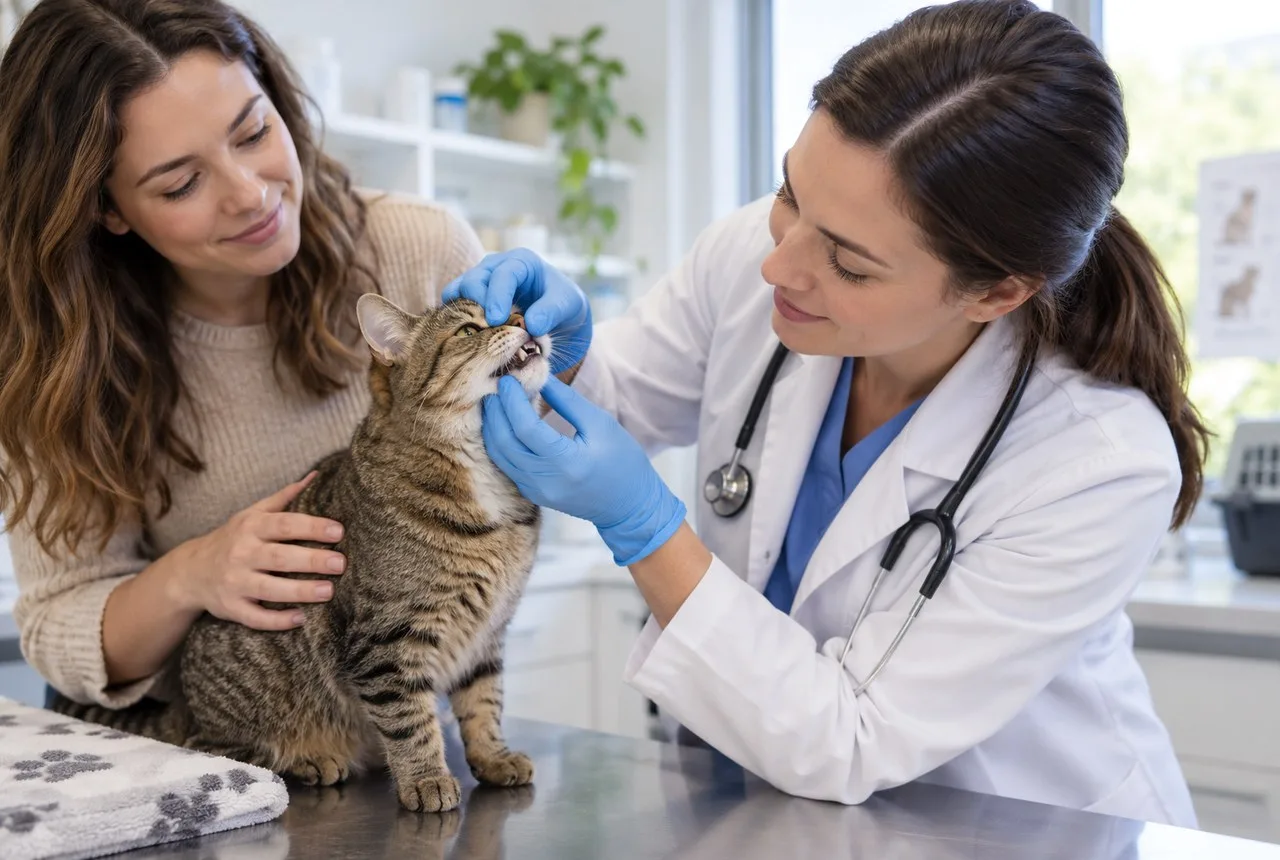
A sick-visit examination benefit is different from a healthy-pet checkup. Some veterinary practices also sell service plans; those may have their own clinic, renewal and cancellation rules rather than the reimbursement structure of an insurance add-on.
Start with the examination benefit, then its delivery method
A routine examination is different from an examination to investigate an eligible accident or illness. Read the benefit that matches the appointment you want covered; selecting an exam-related option is not enough by itself.
Next establish how the benefit is delivered. An insurer-linked wellness schedule may reimburse eligible expenses. A veterinary-practice plan may provide listed services at a specified clinic. Those can both help with checkups, but they are not automatically interchangeable when you move or use another veterinarian.
An overlap audit for an owner already paying a clinic plan
Imagine that your current clinic agreement includes a routine examination, but you are now shopping for accident-and-illness insurance with an optional wellness addition. The question is what the addition would change for your next planned care, not how large its advertised total sounds. This is a hypothetical buying situation, not a provider’s benefit schedule.
| Planned need | Already paid for through the clinic? | Question about the insurance addition |
|---|---|---|
| Routine examination at that clinic | The agreement may already provide the visit. | What new financial help or flexibility would another exam benefit add? Do not count the same planned service twice as a new saving. |
| Recommended services outside the clinic package | Check the actual included-service list. | Does the offered wellness schedule name the unpaid service, and what limits apply? |
| A routine visit while away or after moving | The clinic agreement may be limited to its own locations. | Which veterinarians and locations qualify under the new benefit? Obtain the actual rule. |
| An unexpected sick visit | A routine package does not establish illness protection. | Would the medical policy and selected examination benefit address the eligible illness visit? |
Mark each row “adds a benefit,” “duplicates something I already have,” or “unclear.” A duplicated service is not automatically a useless product: access to another clinic may matter to you. Name that convenience honestly instead of counting the full advertised allowance as extra cash.
Ask what invoice or payment evidence the new benefit requires
Before assuming an included clinic service can also produce insurance reimbursement, explain the arrangement to the insurer. Ask how it treats a prepaid package, an invoice showing a zero additional exam charge, a discounted service or a bundled invoice. The answer depends on the contract; do not infer either permission or prohibition from the word “wellness.”
Request itemized documentation from the clinic showing the actual services and charges. Do not ask anyone to invent a separate charge or claim the same reimbursable expense twice. Pets Best’s general claim instructions, for example, require paid invoices and evidence of payment. That illustrates why a brochure promise and a claim-ready invoice are different things.
If the provider cannot explain how your existing arrangement fits the benefit, leave the supposed reimbursement out of the savings calculation until it is clarified. You can still evaluate the accident-and-illness policy independently.
Compare access and commitment beside the allowance
If you change clinics
Find out whether a practice plan can be transferred, which locations participate and what unused services or balances remain. Compare that with the insurer benefit’s veterinarian requirements.
If you keep both arrangements
Identify the distinct services or access each contributes. Carry both full commitments in the budget rather than assuming the added plan replaces a charge you still owe.
If you cancel or remove a benefit
Ask when the change can take effect and how services already used, unpaid installments or refunds are handled. Monthly billing does not establish a month-to-month commitment.
If your pet’s care needs change
Revisit the next veterinary care plan. A package selected for an earlier life stage may include services you no longer expect to use, while necessary care can fall outside its named benefits.
Obtain the schedule that belongs to your pet
Pets Best currently offers optional routine-care tiers with named annual service limits, and states that benefits and reimbursement amounts vary by state and pet age. That makes the schedule in your own offer the useful comparison document. Do not combine the most attractive entries from several versions.
Within that schedule, verify the wellness-exam allowance, visit counts, separate service caps, effective date and reset rule. These remain necessary checks even when there is no overlap with a clinic agreement. Arrange care on the veterinarian’s recommended timetable; an insurance allowance should not dictate which examination or test the pet receives.
Choose the combination that adds something you need
You might retain the clinic plan and buy medical insurance without wellness, replace a clinic arrangement with a suitable insurance-linked benefit when its terms permit, keep both for distinct benefits, or budget routine care directly. None is automatically cheapest or most convenient.
Keep the decision explicit: which planned visits are already funded, which additional services or access the new benefit supplies, what it costs for the full term and what remains yours to pay. That resolves the wellness-visit question more clearly than buying another allowance because its headline appears generous.
Sources and policy context
Medical versus wellness scope, cost-sharing and age-related premium variation
Read the source → NAIC: questions before buying pet insuranceConsumer questions about exclusions, ongoing benefits, claims and end-of-life expenses
Read the source →Public references explain the insurance or veterinary context. Named provider features were checked against official materials; your offered policy and selected benefits determine coverage.
Compare Current Pet Insurance Rates
Check current options for your pet and location, then compare the policy details, exclusions, costs, and eligibility before choosing.